

HIV COMMUNITY ENGAGEMENT
At ViiV Healthcare, we are on a mission to ensure that no person living with HIV is left behind. One of the ways we do this is by working actively with communities affected by HIV and AIDS around the world.
Our Positive Action programme and Positive Perspectives research are both initiatives that focus on the community.
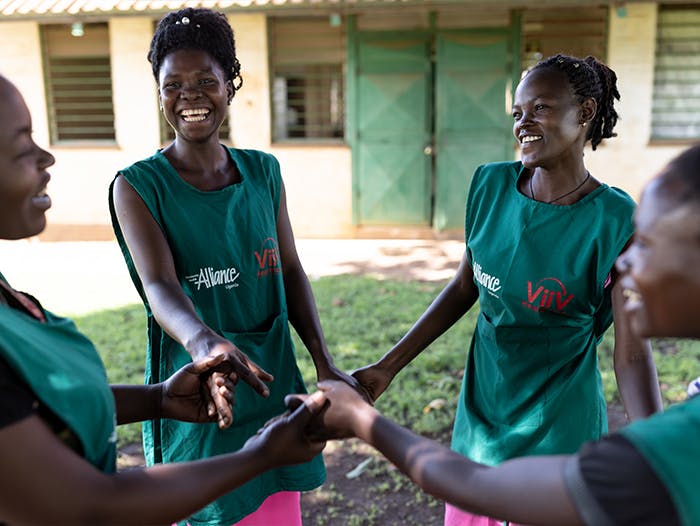
Positive Action (Global)’s mission is to be a transformational partner that champions people and communities to end AIDS. Our vision is Healthy communities in a world free of AIDS.

At ViiV Healthcare, our ambition is to make HIV a smaller part of people’s lives. The Positive Perspectives research (Waves 1 and 2) forms part of our ongoing commitment to people living with HIV, enabling us to better understand the evolving needs and challenges faced by a diverse group of participants across the world.

Despite advances in prevention, treatment and care, people living with HIV continue to face unique challenges that impact their quality of life daily. HIV stigma continues to persist, affecting those living with HIV as well as their support networks.
OUR STORIES: COMMUNITY ENGAGEMENT
Find out how we're partnering with communities across the world to fight HIV stigma and support people living with HIV...

We collaborated with Shutterstock Studios to produce ‘HIV in View’, a first-of-its-kind HIV Gallery which portrays images of real people living with HIV around the world. Images are available to the public for free.

Positively Thriving is a new podcast series supported by ViiV Healthcare that helps to redefine what living with HIV means and aims to inspire others to live long, healthy, happy lives with HIV.
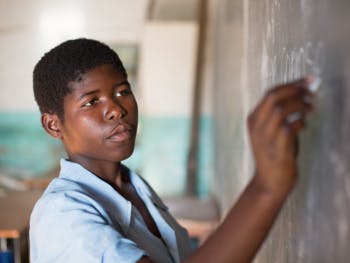
The statistics show that one in seven new HIV infections worldwide is attributed to adolescents, yet young people living with HIV remain one of the most vulnerable and at-risk populations and are often overlooked in global health agendas.
NP-GBL-HVX-COCO-230010
If you get any side effects, talk to your doctor, pharmacist or nurse. This includes any possible side effects not listed in the package leaflet. You can also report side effects directly via the Yellow Card Scheme at www.mhra.gov.uk/yellowcard or search for MHRA Yellowcard in the Google Play or Apple App store. By reporting side effects, you can help provide more information on the safety of this medicine.
If you are from outside the UK, you can report adverse events to GSK/ViiV by selecting your region and market, here.
